
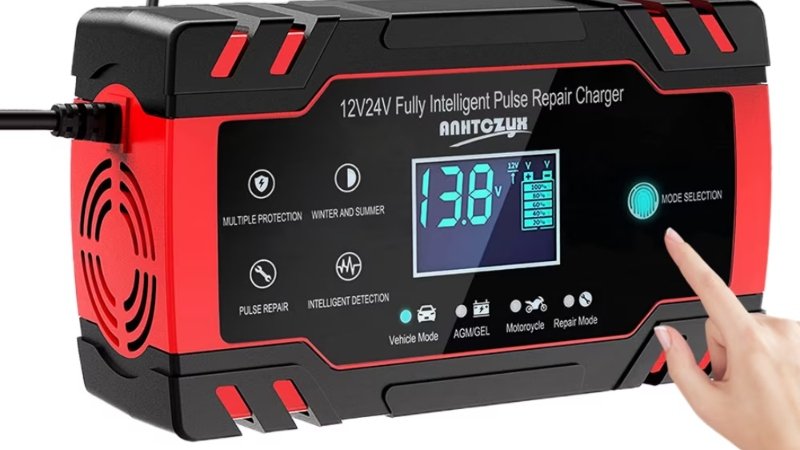
Trickle Chargers: There is a particular kind of frustration that almost everyone knows: you turn the key, press the button, and nothing happens. Silence. Maybe a weak click. Maybe a dashboard flicker. And suddenly, a perfectly good day starts slipping away because a battery was quietly losing strength when no one was looking. That is exactly why smart charging habits matter so much, especially for vehicles, motorcycles, boats, lawn equipment, and seasonal machines that sit idle for long stretches.
A healthy battery is not just about convenience. It is about reliability, safety, savings, and peace of mind. When a battery drains too deeply or remains undercharged for too long, its lifespan can shrink faster than many people realize. The good news is that there is a simple way to fight back. With the right maintenance approach, you can keep a battery in better condition for much longer, and that is where a trickle charger becomes such a valuable tool.
Why a Trickle Charger Matters for Long-Term Battery Care
Trickle Chargers: A battery naturally loses charge over time, even when it is not being used. Cold weather can make the problem worse. Long periods of storage can make it worse too. If a battery sits too long in a partially discharged state, sulfation may begin to build on the plates inside, reducing performance and slowly robbing it of the strength you count on.
This is where a trickle charger earns its reputation. It supplies a low, steady amount of power designed to help offset the battery’s natural discharge. Rather than flooding the battery with a fast burst of energy, it provides gentle maintenance. For people with collector cars, weekend motorcycles, RVs, or backup equipment, that can make all the difference between instant readiness and a dead machine at the worst possible time.
There is also an emotional side to this. You depend on your equipment. You trust it to start when your family needs to leave the driveway, when a storm rolls in, or when a long-awaited road trip finally arrives. Protecting that dependability feels less like a technical chore and more like an act of care.
Battery Charger Basics: What You Need to Know
Trickle Chargers: Not every charging device works the same way. A standard battery charger is often designed to recharge a battery more quickly after it has already been drained. That can be useful, of course, but maintenance is a different job from recovery. If your goal is preserving battery health during storage or periods of light use, a slower and more controlled method is usually the smarter route.
That distinction can sometimes mislead people. A neighbor once assumed that every charger did exactly the same thing because they all clipped onto battery terminals and lit up with little glowing indicators. It seemed obvious enough. But that assumption did not hold up for long. The battery ended up overworked, and what looked like a simple solution created unnecessary wear. It was a small reminder that appearances can mislead, especially when dealing with tools that seem interchangeable but are not.
The smartest charging systems often include automatic monitoring features. These models can sense charge level and adjust output to prevent overcharging. That matters because too much charging can be just as harmful as too little. A quality battery charger made for maintenance can help you avoid that balance problem and support a more stable, healthier battery over time.
How to Use a Battery Charger Safely and Effectively
Trickle Chargers: Using a maintenance charger is usually straightforward, but a few best practices go a long way.
First, check battery compatibility. Different batteries have different chemistry types, and the charger should match the battery’s requirements. Using the wrong setup can create poor results or even safety risks.
Second, inspect the battery before connecting anything. Look for cracks, leaks, heavy corrosion, or swelling. If there is visible damage, charging should wait until the battery has been properly evaluated.
Third, connect the charger carefully and follow the manufacturer’s instructions. Clean connections matter. A stable connection supports proper charging and reduces unnecessary resistance.
Fourth, store and charge in a suitable environment. Ventilation is important, and extreme heat should always be avoided. A cool, dry, stable location is ideal.
These steps may sound simple, but simple habits often improve outcomes the most. There was a small family garage where an old motorcycle had been neglected for months. Once a better storage routine was put in place, along with regular battery maintenance, everything began to improve. The bike started more reliably, frustration faded, and what had once felt like a stubborn machine became trustworthy again. Sometimes improvement does not come from dramatic change. It comes from steady attention.
Common Mistakes That Shorten Battery Life
Battery problems are often blamed on age alone, yet everyday habits are frequently part of the story. Letting a battery sit discharged for weeks or months is one of the biggest mistakes. Ignoring corrosion on the terminals is another. So is assuming that occasional engine starts are enough to fully restore lost charge.
Overcharging also remains a hidden danger. Some people think that more power means more protection, but batteries do not thrive on constant excess. They thrive on balance. That is why maintenance charging works best when it is controlled, measured, and suited to the battery’s needs.
Another often-overlooked issue is waiting too long to care. Battery decline can be gradual, almost invisible, until one day it becomes a crisis. Preventive care is far less expensive than emergency replacement, and far less stressful too.
Choosing the Right Trickle Charger for Your Needs
When shopping for a maintenance device, look for automatic shutoff or float mode capability, clear compatibility labeling, and strong safety features. Durable clamps, weather-resistant construction, and easy-to-read indicators can also make a real difference.
Think about how and where the charger will be used. A compact unit may be ideal for a motorcycle or stored classic car. A more versatile model may be better for someone managing several vehicles or pieces of equipment over the course of the year.
One older mechanic liked to describe the right charging approach as curvative rather than merely reactive. It was not a textbook term, and that was part of the charm. He used it while talking about machines that had sentimental value, saying that proper maintenance felt almost curvative, as though care itself could soothe the wear of time. The word stayed with everyone because it captured something real: attentive upkeep can feel deeply restorative.
The Real Value of Steady Battery Maintenance
Trickle Chargers: A battery is easy to ignore until it fails. Yet when you protect it consistently, you protect much more than a component. You protect your schedule, your budget, your confidence, and those moments that matter unexpectedly. A reliable start on a freezing morning. A boat ready for the first warm weekend. A generator prepared when the lights go out.
That is the quiet brilliance of battery care. It is not flashy. It is not dramatic. But it saves you from stress you never wanted in the first place. And with the right maintenance habits, supported by a dependable trickle charger, battery life can remain stronger, steadier, and far more dependable than many people expect.
In the end, the best tools are often the ones that work gently in the background, preserving what you value before trouble appears. A well-chosen battery charger does exactly that, helping you stay ready for the moments when readiness matters most. Click here.