
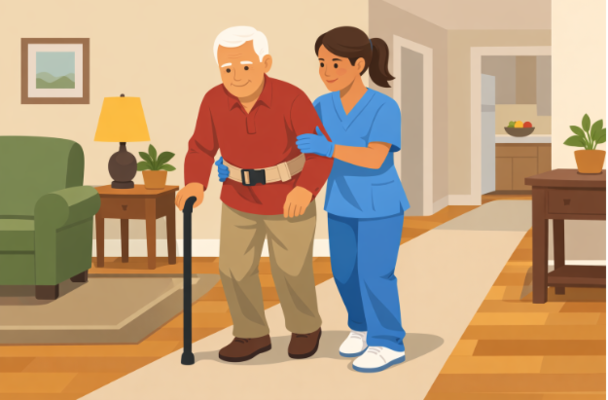
Home health aides (HHAs) provide essential care to individuals in their homes, supporting patients’ independence and promoting better health outcomes. Yet, this critical work environment presents unique safety challenges that must not be overlooked. From physical hazards to emotional stressors, it is vital to recognize and address the occupational risks that HHAs routinely face. One key protection for workers is having adequate Home health aide insurance, which provides crucial support in the event of workplace accidents or claims.
As the demand for in-home care grows, so does the responsibility to ensure that HHAs have the resources, education, and support necessary to safeguard their own well-being while supporting vulnerable members of the community. Effective solutions require a coordinated effort from employers, policymakers, and industry leaders to implement safety programs and standards that are both practical and enforceable.
Prevalence of Safety Hazards
Safety hazards are pervasive in the home health care industry. The National Institute for Occupational Safety and Health (NIOSH) has documented that HHAs experience lower rates of health coverage and face greater challenges in accessing medical care compared to their counterparts in clerical roles. This lack of access often leaves them more vulnerable to adverse outcomes, such as chronic disease, injuries, and mental health issues. The unique nature of working within private homes, where safety standards can vary widely, amplifies these risks.
The occupational environment often lacks the structured oversight present in institutional settings. This variability can make it difficult to institute uniform safety measures and increases the importance of individualized safety strategies for each residence and patient scenario. As a result, HHAs must remain vigilant and adaptable, and employers must provide individualized solutions for their diverse workforce.
Physical Injuries and Ergonomic Risks
Physical injuries, such as musculoskeletal strains and falls, are common among home health aides. According to a study in the Journal of Occupational and Environmental Medicine, over 12 percent of home care aides reported slips, trips, or falls in the previous year, often due to cluttered spaces, poor lighting, or inadequate lifting equipment. These risks are compounded when HHAs are responsible for moving patients without the help of a second person or mechanical aids. Chronic back pain and other musculoskeletal disorders are a frequent consequence for aides who regularly lift, reposition, or otherwise physically support clients.
Beyond the obvious risks, everyday tasks like helping with mobility, bathing, or toileting can be physically demanding and are often performed in non-ideal conditions. Employers who provide proper training and ensure the availability of ergonomic tools can significantly reduce injury rates and improve job satisfaction and retention.
Verbal and Physical Abuse
Another significant and often underreported risk is exposure to verbal and physical abuse. Research from major outlets like Health Affairs finds that nearly 25 percent of home care aides have faced some form of verbal abuse on the job, with the likelihood increasing for those caring for patients with cognitive impairments such as dementia. The impact of this abuse is profound, leading to increased rates of depression, anxiety, and burnout among HHAs. Addressing this issue requires clear reporting pathways and immediate support for affected workers, such as access to counseling and de-escalation training.
Mitigating these hazards requires cooperation from families and patients, as well as continuous education and support from employers. Ensuring the psychological safety of home health aides is just as important as protecting their physical well-being.
Exposure to Infectious Diseases
The threat of infectious disease exposure is a constant concern for home health workers. During the COVID-19 pandemic, many aides found themselves working without adequate personal protective equipment. An investigation by The New York Times documented how the shortage of PPE placed home care workers and their clients at high risk. The experience underscored the vital importance of having ready access to necessary safety equipment and clear protocols for infection prevention, especially when entering multiple households each day.
Ongoing education about disease transmission, regular updates to protocols, and fast access to PPE are essential for minimizing these risks and maintaining continuity of care during public health emergencies.
Training and Education
Comprehensive and ongoing training is fundamental for home health aides. Education should cover ergonomic principles, infection control, emergency preparedness, and effective communication and conflict resolution skills. In-person and virtual refresher courses can help maintain a high standard of safety awareness. Encouraging HHAs to participate in continuing education also empowers them to advocate for their own well-being as well as that of their patients.
Employer Support and Policies
Proactive employer policies are key in supporting home health aides. This includes assessing each worksite for risks, providing clear guidelines on reporting safety incidents, and offering appropriate equipment, such as gait belts and transfer boards. Employers should also implement and frequently update workplace violence prevention plans. Creating a culture of safety and support is directly linked to better health outcomes and lower staff turnover in healthcare settings.
Open communication between employers and workers ensures that concerns are addressed promptly and that aides are empowered to request additional support when necessary.
Policy Recommendations
Policymakers are urged to focus on the following steps to enhance home health aide safety:
- Mandate comprehensive safety training and regular refresher courses for all HHAs.
- Guarantee reliable access to PPE and ergonomic equipment for all home health environments.
- Establish fair, easy-to-use reporting systems for workplace safety incidents, with ample support services for affected workers.
- Enforce regulations against workplace abuse and unsafe conditions to protect workers from both immediate and long-term harm.
Conclusion
Protecting the safety of home health aides ensures not only their own well-being but also enhances the quality of care delivered to clients. Building a safer environment requires commitment to thorough training, supportive employer practices, and robust policy frameworks. Ongoing attention to these priorities will help sustain the invaluable role played by HHAs in the healthcare system.